
How Does Special Event Security Enhance Safety for Urban and Suburban Events?
Special event security is a crucial element for the success and safety of gatherings, whether they’re held in bustling urban areas or tranquil suburbs. It involves a comprehensive set of measures designed to protect attendees, property, and the surrounding community. In this blog, we’ll explore how special event security enhances safety, addressing common concerns and highlighting the key strategies involved.
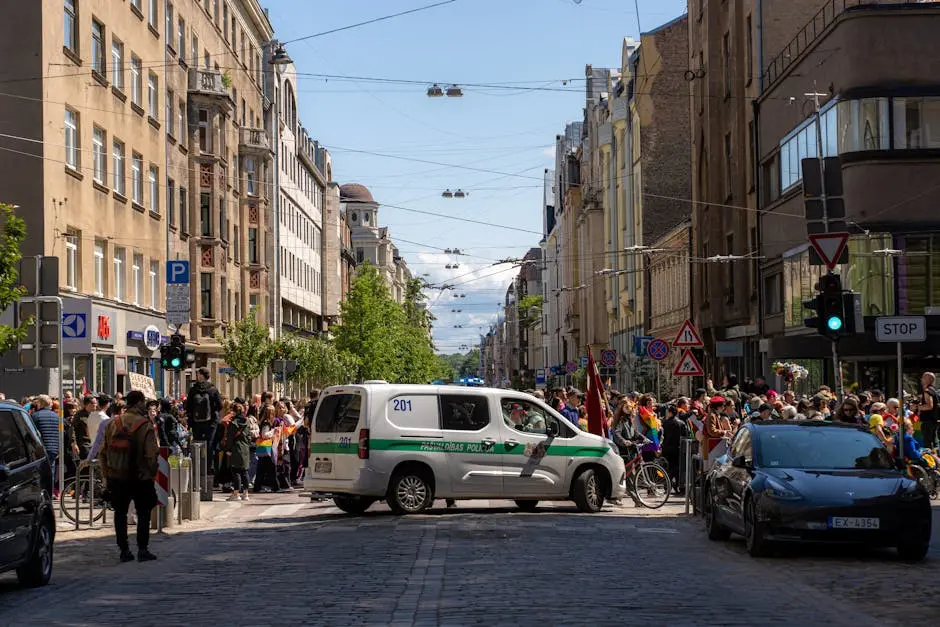
Understanding the Basics of Special Event Security
Event security goes beyond basic crowd control and involves detailed planning and risk assessment. Understanding the basics helps in implementing effective strategies that suit the unique needs of each event, whether in an urban or suburban setting.
At its core, special event security involves a series of interconnected strategies designed to create a safe environment. This includes the physical presence of security personnel, surveillance systems, and emergency preparedness plans. By establishing clear protocols, event organizers can mitigate risks and ensure an enjoyable experience for attendees.
Urban events often require more intensive security measures due to higher population density and associated challenges. Meanwhile, suburban events may face risks related to their often more open and spread-out venues. Each setting requires a tailored approach that considers local intricacies and potential threats.
Assessing Potential Risks and Threats
Identifying and assessing potential risks is the first step in enhancing event safety. This involves considering factors such as crowd size, event location, and historical data on threats, which helps in developing comprehensive security measures.
Effective risk assessment is crucial for anticipating potential issues that could compromise security. This process involves analyzing patterns of past events, geographical vulnerabilities, and the demographic of anticipated attendees. Understanding these elements allows for a security strategy that is both proactive and responsive.
With the rise in the use of technology at events, cyber threats are also becoming a concern. Incorporating cybersecurity measures as part of the risk assessment can prevent data breaches and protect sensitive information about attendees and organizers.
The Role of Surveillance and Monitoring
Surveillance systems and real-time monitoring play a crucial role in maintaining safety. They enable quick detection of suspicious activities or potential hazards, allowing security personnel to respond promptly and effectively.
Modern surveillance technology offers more than just cameras capturing footage. With AI and machine learning capabilities, monitoring systems can alert security teams to abnormalities, ensuring faster responses to potential threats. These technologies are vital for large events where human oversight may be limited.
Monitoring extends beyond visuals; incorporating environmental sensors can help detect issues like overheating or unusual vibrations, which could indicate developing risks. These tools are invaluable in both urban and suburban event settings, where different types of threats may occur.
Implementing Access Control Measures
Access control involves managing who can enter or exit an event venue. Through measures such as ticket checks, security screenings, and controlled entry points, access control helps in preventing unauthorized access and potential security breaches.
Incorporating technology into access control, such as using biometrics or digital tickets, streamlines the entry process while enhancing security. These methods reduce the chance of imposters entering and enable quicker resolution if an incident occurs.
Establishing designated entry and exit pathways is crucial to managing flow. This not only ensures efficient movement but also facilitates the tracking of individuals for safety and operational purposes.
Coordinating with Local Law Enforcement
Collaborating with local law enforcement agencies enhances event security by ensuring a coordinated approach to potential threats or incidents. This partnership facilitates quicker response times and shares valuable insights for managing the event’s safety.
The involvement of local law enforcement provides a crucial layer of reinforcement, especially for larger events. Their presence can act as a deterrent against potential criminal activities and ensure the enforcement of laws during the event.
Creating communication channels between event security teams and local law enforcement ensures that any incident can be managed with efficiency and expertise. This collaboration also allows for rehearsing emergency simulations together, enhancing readiness for actual events.
Importance of Security Personnel Training
Well-trained security personnel are the backbone of any successful event security plan. Continuous training ensures they are equipped to handle various scenarios, from crowd management to emergency responses, enhancing overall safety.
Training programs should include updates on the latest security technologies and tactics. Security personnel need to be equipped not just with traditional skills, but also with knowledge on how to operate new digital security systems effectively.
Regular drills and scenario-based training ensure that personnel remain alert and capable of executing their duties under pressure. Such preparedness is essential for minimizing response times and ensuring efficient coordination during emergencies.
The Importance of Prioritizing Special Event Security
In conclusion, special event security is integral to ensuring the safe and enjoyable experience of all participants. With tailored strategies for different environments and a focus on incident prevention and response, event organizers can rest assured that their event will proceed smoothly. Prioritizing security is an investment in the success and reputation of the event.