
How to Secure Property in the Los Angeles Area: Tips for Urban and Suburban Security
Securing property in Los Angeles, whether nestled in the vibrant urban heart or the quieter suburban fringes, is a concern many homeowners and renters share. In a city as diverse and bustling as L.A., creating a safe haven can be uniquely challenging yet essential. In this blog, we’ll explore practical tips for securing properties across the contrasting landscapes of urban and suburban Los Angeles.
Assessing the Security Needs of Your Neighborhood
Understanding the specific security challenges of your neighborhood is the first step to enhancing your property security. Urban areas might face different threats compared to suburban ones, so it’s crucial to tailor your measures accordingly. Research local crime statistics, neighborhood watch programs, and community resources. Crime rates can vary significantly even within small geographical areas, and being informed can guide effective security investments. Residential surveys and local police reports are often available and can provide valuable insight into prevalent risks in your area.
Another key aspect is to connect with your community to gather first-hand experiences from neighbors regarding past security incidents. Participation in community meetings or groups dedicated to neighborhood safety can offer practical advice and increase awareness about current trends in criminal activity. Some neighborhoods have online platforms or social media groups where residents share security updates, which can be a real-time source of information and support.
Implementing Modern Security Systems
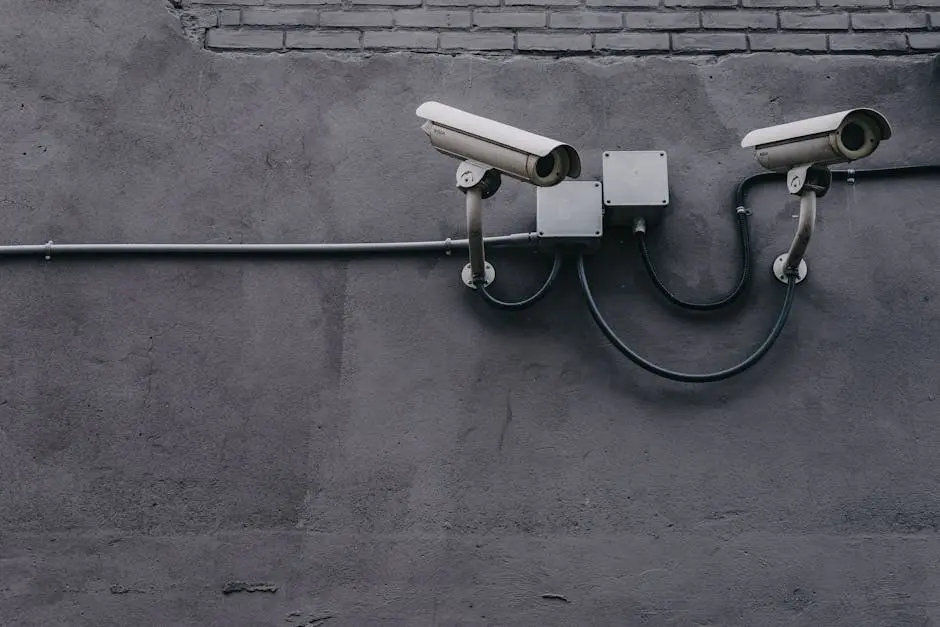
Technology has revolutionized home security with smart cameras, alarm systems, and doorbell video cameras. Installing a modern security system that integrates with your smartphone can provide real-time alerts and peace of mind, whether you’re home or away. Look for systems that offer features such as motion detection, live streaming, and cloud storage. A significant advantage of digital systems is their flexibility and scalability, allowing homeowners to start simple and expand their system over time.
In addition to basic monitoring, consider advanced features like facial recognition technology or environmental sensors that detect smoke or carbon monoxide. While these might seem high-tech, they are becoming increasingly accessible and affordable. Leveraging smart home automation can further integrate security with daily routines, turning lights on and off at scheduled times or adjusting window shades. These additions can amplify the illusion of occupancy, a significant deterrent for potential intruders.
Urban Security Strategies: Keeping the City Chaos at Bay
Living in the city means adapting to its fast pace and density. Strategies such as using reinforced doors and windows, securing entry points, and employing security lighting can deter potential threats. Joining a neighborhood association can also help keep you informed and connected. Urban dwellers should focus on creating layered security rings: exterior lighting to illuminate dark approaches, robust locks and bolts for doors and windows, and reliable communication channels to alert authorities if necessary.
Embrace community resources available in urban settings. For example, many cities offer non-police neighborhood watch programs or partnerships with local businesses to improve street safety through design and maintenance, known as Crime Prevention Through Environmental Design (CPTED) strategies. Such community efforts can transform urban spaces into havens by enhancing visibility and reducing hiding spots for potential offenders.
Suburban Security: Balancing Openness and Safety
Suburban areas, with their open spaces and quieter streets, might require different security approaches like fencing, landscape lighting, and neighborhood walking patrols. Maintaining good relationships with neighbors can also strengthen collective security efforts. The more everyone is aware of each other’s routines and properties, the easier it becomes to notice unfamiliar activities, thus increasing the chances of averting a threat before it materializes.
Consider the role of natural deterrents, such as strategic landscaping, which can balance aesthetics with security. Thorny plants or shrubs under accessible windows can discourage would-be intruders, while low hedges preserve a clear line of sight. Additionally, solar-powered outdoor lighting can be both an economic and environmental solution for nighttime security, enhancing visibility without increasing electricity bills.
Engaging with Your Community for Enhanced Security
Participating in local community groups and forums can enhance your awareness and response to security concerns. Beyond technological solutions, being an active part of your community contributes to a safer environment and builds trust among residents. These groups often collaborate on safety measures and organize regular checks or patrols.
Community involvement isn’t just about defense but also empowerment. Engaging in local events or initiatives can foster a sense of belonging and mutual respect. Consider joining efforts like street festivals, cleanup projects, or safety workshops, which not only improve living conditions but also promote vigilance and resilience against potential security threats.
Creating Your Safe Haven in L.A.
Securing your property in Los Angeles involves understanding the distinct nuances of your neighborhood, leveraging technology, and engaging with your community. Whether you live in a bustling urban environment or a serene suburban area, taking proactive steps to protect your home can provide peace of mind in this dynamic city. Remember, security is about creating a safe space that echoes your personal sense of comfort and community. For comprehensive solutions, explore our home security services.