
7 Ways Security Enhances Event Management and Guest Experience
In the world of event management, ensuring both the safety and satisfaction of guests takes center stage. While it may not be the most glamorous aspect, security plays a critical role in enhancing the overall experience for attendees. From small gatherings to large festivals, a strong security presence helps manage risks and create a welcoming environment. Let’s explore several ways security can elevate your event management and boost guest satisfaction.
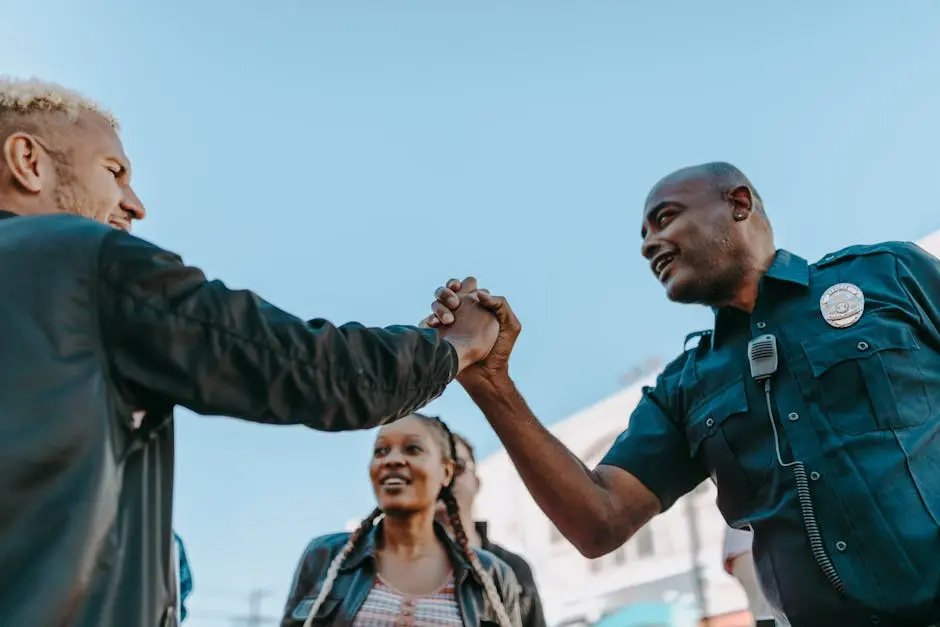
1. Creating a Safer Environment
Safety is paramount in any event, setting the tone for how guests perceive the overall experience. A reliable security presence ensures that potential risks are identified and managed, making attendees feel protected and at ease. By strategically placing security personnel at key points throughout the venue, event organizers create an atmosphere of trust and safety. Moreover, visible security measures can deter potential troublemakers, significantly reducing the likelihood of altercations or unauthorized access.
An often-overlooked aspect of event security is the power of perception. When guests observe well-coordinated security efforts, it enhances their confidence in the event’s organization. This assurance compels them to relax and enjoy the event, knowing that their safety is prioritized. Such environments foster positive word-of-mouth, enhancing the event’s reputation and potentially increasing attendance at future events.
2. Mitigating Unexpected Incidents
Planned well, security helps mitigate unexpected incidents. Trained personnel can act swiftly to respond to emergencies, minimizing impact and preventing panic. This responsiveness not only controls situations but also reassures guests that their wellbeing is valued. Immediate and effective action in cases of medical emergencies or fire hazards can be critical in preventing further harm. Quick coordination with local authorities and emergency services ensures that any situation can be managed efficiently.
Another important aspect is the ability to handle crowd dynamics. By effectively guiding guests in and out of venues during peak periods, security staff prevents overcrowding and reduces stress. When guests see that measures are in place to efficiently handle large numbers, it boosts their confidence in the event’s safety protocols and their overall experience.
3. Streamlining Guest Check-Ins
With security enhancements, guest check-in processes become more efficient. From advanced ticket scanning to identity verification, a smooth entry reduces wait times, providing a more seamless start to the event. Utilizing digital check-in systems not only speeds up the process but also helps in accurately tracking attendance. This real-time data helps organizers make informed decisions on staffing and resource allocation, ensuring smooth operations throughout the event.
Security personnel can also assist in troubleshooting issues at check-in points, such as ticket discrepancies or equipment malfunctions. This support minimizes disruptions and maintains the flow of guests entering the venue. Overall, a streamlined check-in experience sets a positive tone for the event, leaving guests with a lasting impression of efficiency and organization.
4. Utilizing Advanced Technology
Technology plays a pivotal role in modern security. Incorporating tools like surveillance cameras, drones, and mobile apps enhances real-time monitoring. These technologies provide rapid alerts and insights, enhancing overall event management. Cameras installed at strategic locations help cover large areas and identify potential threats before they escalate. Meanwhile, drones can offer a bird’s-eye view of the event, ensuring no blind spots.
Mobile apps specifically designed for event security enable instant communication between security personnel and event organizers. They offer features such as GPS tracking, incident reporting, and mass notifications, making coordination seamless. This integration of technology not only boosts security but also provides valuable data analytics that can be used to improve future events.
5. Effective Crowd Control
Effective crowd management ensures that attendees move safely and efficiently throughout the venue. Security personnel assist in maintaining orderly queues and directing guests, which reduces stress and enhances the event experience. Using barriers, signage, and designated paths, security teams can guide the flow of traffic and prevent bottlenecks, creating an orderly and pleasant atmosphere for all attendees.
Crowd control is not just about managing large numbers; it’s about understanding crowd psychology and predicting movement patterns. By analyzing how people move and congregate, security teams can preemptively address potential issues, ensuring that guests always have a clear path to event attractions or exits. This meticulous attention to detail improves guest mobility and satisfaction, underscoring the importance of security in event management.
6. Safeguarding Personal Belongings
Security measures can significantly reduce theft and loss of personal items. Implementing bag checks and patrols provides guests with peace of mind, allowing them to enjoy the event without worrying about their belongings. Visible security measures, such as bag checks at entry points, deter potential thieves. Additionally, security personnel patrolling the venue can swiftly address any suspicious behavior, reducing the likelihood of theft.
Storage lockers or designated areas for personal belongings provide another layer of security for guests. With the assurance that their items are protected, guests can fully engage with the event, ensuring they have a positive and carefree experience.
7. Enhancing Communication and Coordination
Clear communication channels between security staff and event coordinators are crucial. This coordination ensures that everyone is on the same page, ready to react to any change in circumstances promptly, and guests feel supported throughout the event. Regular briefings and updates help security teams and coordinators align their efforts, addressing any gaps in the event plan.
Advanced communication tools, such as two-way radios and group messaging apps, allow for quick dissemination of information. Whether it’s directing security to areas needing attention or updating coordinators on guest concerns, effective communication keeps the event running smoothly. This synergy between teams plays an instrumental role in enhancing the guest experience, demonstrating just how essential security is in the comprehensive planning of an event.