
Exploring the Role of Building Security in Residential Areas
Building security is an often overlooked yet vital aspect of residential living. Whether you’re a homeowner, renter, or landlord, understanding the importance of security measures can greatly influence peace of mind and safety. In this blog, we’ll explore the role of building security in residential areas and why it matters to everyone.
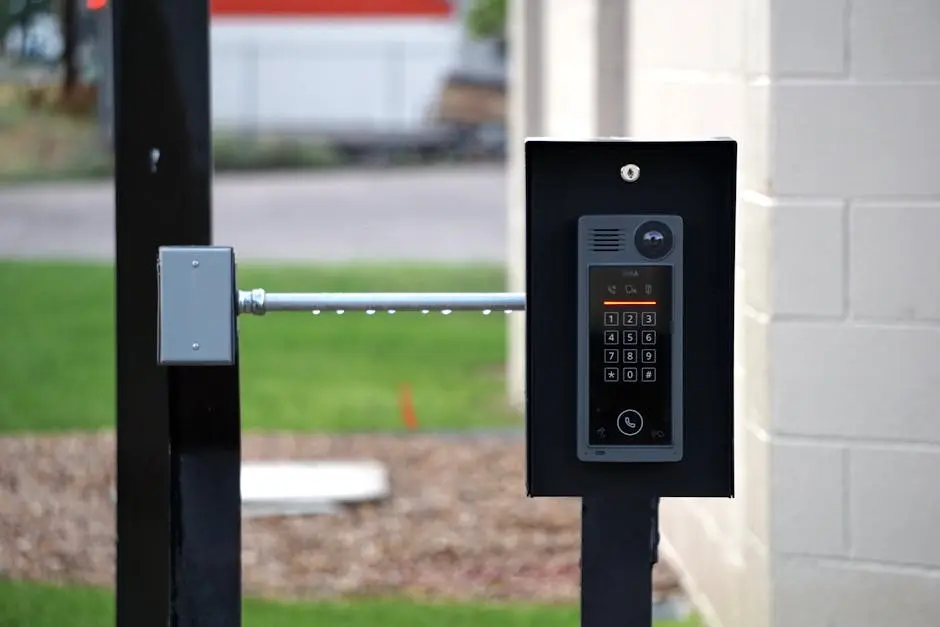
Understanding Building Security Basics
Understanding the basics of building security involves recognizing various components such as locks, surveillance systems, and entry points. These elements act as the first line of defense against potential threats. High-quality locks are essential, and their complexity can range from simple key locks to sophisticated electronic deadbolts. Surveillance systems, such as CCTV cameras, offer continuous monitoring capabilities and act as deterrents to those with malicious intents. Additionally, entry points such as doors and windows need to be fortified with strong materials to prevent unwanted access.
Moreover, security is not just about physical barriers; it encompasses a holistic approach. Lighting plays a crucial role, as well-lit areas are less likely to attract criminal activity. Alarm systems integrated with modern technologies can offer alerts in real-time, ensuring rapid response. The layout of a residential property, including fences and bushes, can also influence security. A well-maintained property with clear sightlines can prevent potential hiding spots for intruders. Understanding these basics can help in setting the groundwork for more advanced systems.
The Impact of Security on Resident Safety
Security measures significantly impact resident safety by deterring potential intrusions and ensuring a quicker response to emergencies. Well-implemented systems can contribute to lower crime rates and enhanced peace of mind. For instance, properties equipped with efficient surveillance and alarm systems can quickly alert residents and authorities if any unauthorized access or suspicious activity is detected, minimizing risks and ensuring safety. This immediate notification system greatly reduces the chances of crime escalating, providing a secure environment for residents.
In essence, effective security measures create a protective bubble around residential areas, fostering a sense of community. Residents feel more engaged and secure, knowing they are part of a closely monitored environment. This psychological assurance not only aids in reducing stress levels but also enhances community interaction, as neighbors look out for one another. Moreover, with rising concerns about home invasions, a proactive approach to security can significantly alleviate apprehensions, making residential areas more desirable for families and individuals alike.
Technological Advancements in Security Systems
With the advent of smart technology, security systems have become more advanced and efficient. Features like remote monitoring, automated alerts, and access control systems offer residents greater control and security. Homeowners can now monitor their property in real-time from anywhere in the world, thanks to smartphone applications linked to security systems. This level of connectivity ensures that any alerts can be immediately communicated to the resident, allowing for quick action.
Furthermore, biometric systems — like fingerprint and facial recognition — are not just features reserved for high-security locations anymore. They are increasingly becoming common in residential areas, offering personalized access to authorized individuals only. Such systems, when combined with traditional security measures, enhance the overall robustness of a property’s security. Moreover, with continuous updates and innovations, these systems evolve, incorporating the latest in artificial intelligence to predict and notify residents of potential threats, making the home environment more adaptive and secure.
Balancing Security with Community Accessibility
While security is crucial, it is also essential to balance it with community accessibility. Ensuring that security measures do not inconvenience residents or visitors is key to maintaining a harmonious living environment. Residents should feel secure with the systems in place but not restricted. For example, the introduction of smart intercom systems allows residents to verify visitors before granting access, ensuring security while maintaining ease of movement within the community.
Community engagement programs can also be integrated with security initiatives to enhance this balance. By involving residents in safety meetings and decision-making, they become active participants in their own security. Simultaneously, this approach encourages community building, where residents are informed about the security measures, their benefits, and any potential challenges they pose. Such inclusivity ensures a collective effort towards maintaining security without sacrificing the community’s open and welcoming nature.
The Role of Security in Property Value and Appeal
Strong security measures can add value to property by enhancing its appeal to potential buyers or renters. Secure residential areas are often considered more desirable, which can increase demand and property market value. Prospective buyers prioritize safety, and when a property is equipped with state-of-the-art security systems, it inherently stands out in the market. High-tech security features can attract tech-savvy buyers who are willing to pay a premium for peace of mind.
Additionally, landlords can command higher rental prices for properties in secure residential areas. When a property is part of a community with robust security measures, it attracts tenants looking for a safe living environment. This desirability can also translate into lower vacancy rates, ensuring steady rental income. Moreover, investments in security can yield long-term benefits, as properties with noted security features typically appreciate better over time compared to their less secure counterparts.
The Importance of Building Security in Residential Living
Incorporating effective building security measures is crucial for fostering safe and thriving residential communities. From preventing unauthorized access to ensuring rapid emergency responses, each aspect plays a distinct role in enhancing residents’ overall living experience. As technology continues to evolve, staying informed and proactive can help you create a safer environment for all. For more comprehensive guidance on securing your residential property, visit our homepage.