
12 Ways to Enhance Special Event Security for Peace of Mind
Organizing a special event is no small feat. Whether it’s a concert, conference, or community celebration, ensuring the safety and security of all attendees is of paramount importance. Implementing effective security measures can make all the difference in providing a smooth and enjoyable experience. In this blog, we’ll explore various strategies you can employ to bolster your event’s security and give everyone peace of mind.
1. Conduct Thorough Risk Assessments
Begin by understanding the potential risks associated with your event. Assessing these risks allows you to proactively address vulnerabilities and develop strategies to mitigate them. This involves evaluating the venue, expected guest count, type of event, and even external factors like weather or traffic conditions. By doing so, you can prioritize risks and allocate resources effectively to ensure a safe environment for everyone involved.
Risk assessments are an ongoing process; they shouldn’t be a one-time task. As your event plans evolve, so should your assessment of potential risks. Regularly updating your risk assessments ensures they remain relevant and comprehensive, covering all bases. Engaging with security professionals or consultants during this process can provide valuable insights and expertise that might otherwise be overlooked.
2. Implement Comprehensive Access Control
Establish clear perimeter boundaries and use access control measures such as ID checks and ticket scanning to manage entry points effectively. This helps prevent unauthorized access and enhances overall safety. Access control is not just about keeping unwanted visitors out; it’s about knowing who is entering and exiting your venue and when. Utilizing technology like electronic turnstiles or RFID systems can streamline this process, ensuring efficiency and security.
3. Leverage Surveillance Technology
Utilize CCTV cameras and other surveillance technologies to monitor the event vicinity. Advanced systems can assist in real-time monitoring and enable quick responses to potential incidents. Cameras should be strategically placed to cover key areas such as entrances, exits, and high-traffic zones to maximize visibility and deterrence. Integration of AI technologies can enhance capabilities, such as identifying suspicious behavior or potential threats.
Beyond traditional surveillance, consider using drones for aerial monitoring, particularly for large outdoor events. These devices can offer a bird’s-eye view and help identify issues not easily seen from the ground. Surveillance technology not only serves as a deterrent but also provides valuable data that can be reviewed post-event for further security improvements.
4. Deploy a Professional Security Team
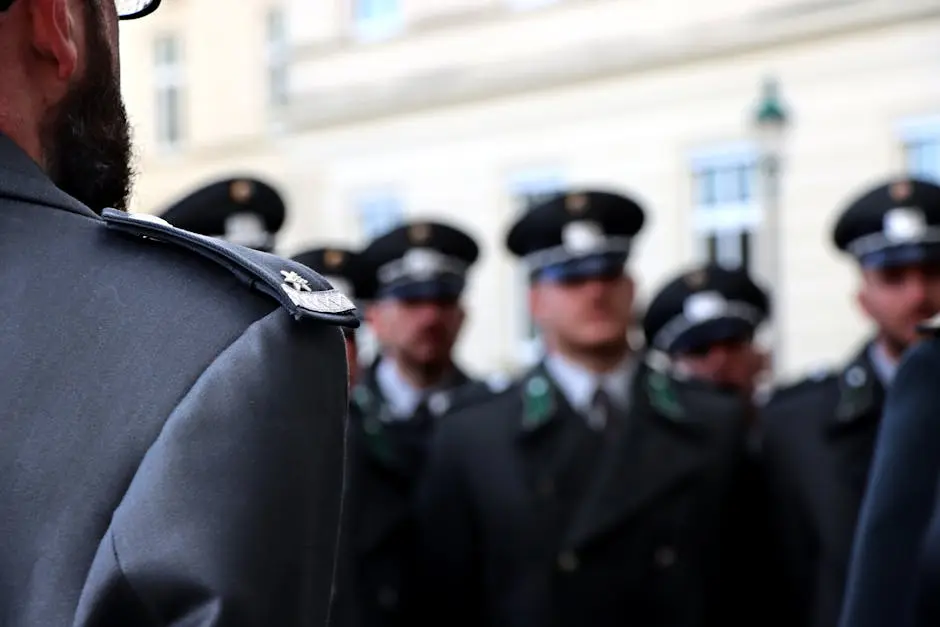
Hiring a professional security team ensures trained personnel are present to manage crowd control, handle emergencies, and maintain a visible security presence. The presence of uniformed officers often instills a sense of safety among attendees. Consider hiring expert security services to provide a thorough security strategy and implementation, tailored to your specific needs.
In addition to a professional security team, volunteer staff can play a supportive role in monitoring less critical areas or assisting with crowd management. It’s crucial to ensure that all personnel, including volunteers, are well-versed in security protocols and emergency procedures to act swiftly and appropriately when needed.
5. Establish Clear Communication Channels
Ensure there are reliable communication systems in place for all security staff. Effective communication is crucial for coordinating swift responses and ensuring seamless operations during the event. Equip your team with radios or secure mobile communication devices to facilitate fast and clear exchanges. This can include a dedicated security channel to report incidents or communicate with key personnel.
Regular check-ins or briefings should be part of your communication plan to keep everyone updated on potential issues or changes in event plans. This proactive approach minimizes confusion and keeps all security personnel on the same page, enhancing overall coordination and response efficiency.
6. Create an Emergency Response Plan
Having a detailed emergency response plan allows you to efficiently manage unexpected situations. Role-playing scenarios with security staff can improve readiness and response time. Tailor the plan to address different types of emergencies, such as medical situations, fire outbreaks, or security breaches, ensuring that procedures are clear and actionable.
Your emergency response plan should also include guidelines for communicating with attendees during a crisis, such as public announcements or digital notification systems. Keeping attendees informed can prevent panic and facilitate a calm and orderly response. Review and update your plans regularly to incorporate new information or best practices.
7. Conduct Regular Security Training
Regular training sessions for security personnel enhance their skills and preparedness. Ongoing education ensures that they are up-to-date on the latest security protocols and practices. Training should cover a wide range of topics from basic first aid to advanced threat detection techniques and use of new security technologies.
8. Engage with Local Authorities
Coordinating with local police and emergency services can provide additional support and resources. Establishing strong partnerships with these agencies is beneficial in the event of major incidents. These relationships can also aid in pre-event planning, where local authorities might assist in traffic control, special permits or providing additional manpower.
Engagement with local authorities also includes keeping them informed about the event’s details, such as the expected number of attendees, event schedule, and more. This allows them to prepare accordingly and collaborate effectively in ensuring the safety of all.
9. Utilize Advanced Screening Techniques
Incorporate advanced screening technologies such as metal detectors and bag checks at entry points. This enhances security measures by identifying potential threats before they enter the venue. Screening technologies should be complemented by trained personnel who can identify suspicious behavior or handle situations that might arise during checks.
10. Ensure Clear Signage for Evacuation Routes
Proper signage is essential for guiding attendees to safe areas in case of an emergency. Clear directions can prevent confusion and ensure a smooth evacuation process. Signage should be prominently displayed and reinforced with emergency lighting to be visible during power outages. Consider our extensive event management services for ensuring all safety aspects are covered.
11. Maintain Open Communication with Attendees
Keeping attendees informed about security measures and emergency procedures creates a cooperative environment. This transparency helps build trust and compliance among guests. Use multiple platforms such as event apps, newsletters, or social media to communicate important security information. Encourage attendees to report any suspicious activities they notice, further fostering a communal vigilance.
12. Evaluate and Adapt Security Protocols
After the event, review the effectiveness of your security measures. Gathering feedback from the security team and attendees will help you make improvements for future events. Conduct debriefing sessions with your team to identify areas for improvement and develop action plans to address them.
Implementing a continuous improvement process ensures that your security strategies remain robust and relevant. By regularly evaluating and adapting your protocols, you can better anticipate challenges and enhance the security of your future events.