
How Corporate Security Enhances Safety at Los Angeles Construction Sites
Navigating the bustling construction sites of Los Angeles requires an intricate blend of strategy, technology, and vigilance. With skyscrapers constantly redefining the city’s skyline, ensuring safety is paramount. In this blog, we’ll explore how corporate security measures significantly enhance the safety and efficiency of these construction projects.
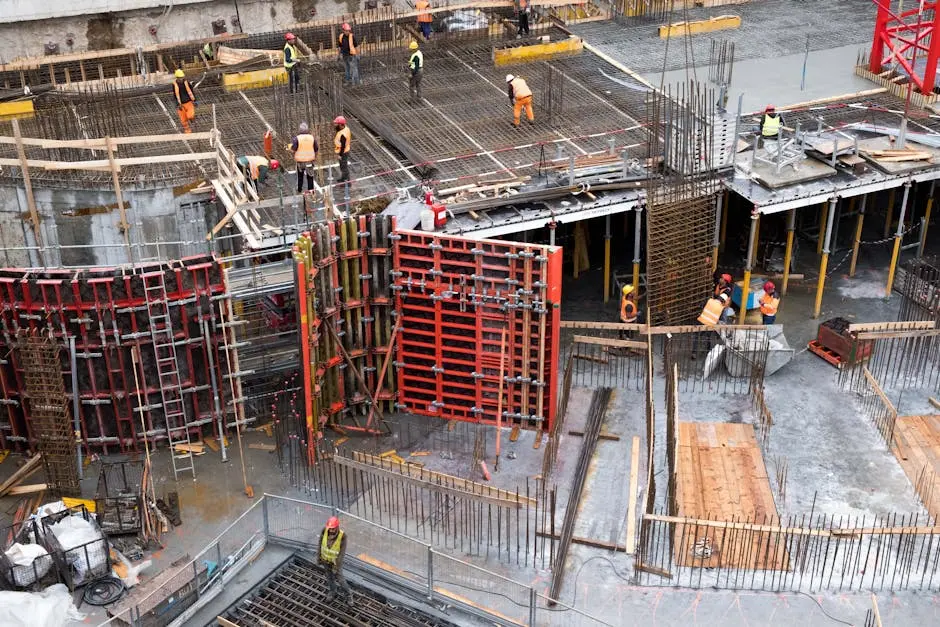
The Importance of Corporate Security in Construction
Understanding the critical role that corporate security plays in safeguarding construction sites is vital. From theft prevention to ensuring worker safety, it’s a multifaceted approach that guards against numerous threats. In bustling urban areas like Los Angeles, construction sites are often targets for burglary and vandalism, which can delay projects and drive up costs. A robust corporate security program helps mitigate these risks by providing surveillance, security personnel, and risk management strategies.
Moreover, corporate security plays a crucial role in emergency preparedness. Accidents happen, and when they do, a prompt and organized response can save lives and reduce damage. Security teams are trained to handle a wide range of emergencies, from fires to medical crises, ensuring that the appropriate measures are taken swiftly. This readiness not only protects the workers but also shields the company from potential legal and financial ramifications.
Advanced Technologies in Construction Site Security
Modern construction sites benefit from state-of-the-art technologies like surveillance cameras, access controls, and drones, providing an extra layer of protection and oversight. These technologies not only deter criminal activity but also enhance construction management efficiency. For instance, drones can monitor large areas quickly and provide real-time data, allowing for a better overview of the site and helping to spot potential hazards early. Surveillance cameras act as both a deterrent and a tool for review, providing crucial evidence in the event of an incident.
Access control systems are another key component of corporate security, limiting who can enter the site and when. This is critical not only for keeping intruders out but also for tracking personnel in the event of an evacuation. Employing biometric systems or secure ID badges, these technologies ensure that only authorized personnel access sensitive areas. This enhances both security and accountability, as movements within the site are monitored and recorded.
Enhancing Safety through Risk Assessment
Proactive risk assessments are a central part of corporate security strategies, identifying potential hazards before they materialize and implementing preventive measures. This involves a thorough evaluation of the construction site to pinpoint vulnerabilities such as unsecured equipment, uneven surfaces, and exposure to hazardous substances. Such assessments are not a one-time task but an ongoing process, adapting to changes in the site layout and work processes.
An effective risk assessment plan also includes regular safety drills and training for workers. By familiarizing the crew with emergency procedures, the likelihood of panic and mishaps during real events is significantly reduced. This training should be comprehensive, covering everything from evacuation routes to the correct use of personal protective equipment (PPE). Such measures ensure that when an emergency occurs, everyone on site knows exactly how to respond.
Creating a Safety-First Culture on Construction Sites
Beyond technological measures, fostering a culture that prioritizes safety and security among workers can significantly reduce incidents and create a safer work environment. This culture starts at the top with management demonstrating a commitment to safety through policies and actions. By adopting a zero-tolerance approach to safety violations and encouraging open communication about potential risks, companies can cultivate a workforce that is highly aware and proactive about their safety.
Regular safety meetings and feedback sessions are also vital in maintaining a strong safety culture. They provide a platform for workers to voice their concerns and suggest improvements. Recognizing and rewarding employees who adhere to safety protocols can further reinforce positive behaviors and encourage others to follow suit. When everyone feels responsible and is actively engaged in maintaining a safe workplace, the overall safety of the site is greatly enhanced.
Corporate Security: A Cornerstone of Construction Safety
As the construction industry in Los Angeles continues to flourish, integrating corporate security protocols is no longer just an option—it’s a necessity. By equipping sites with advanced technologies, proactive risk assessments, and a strong safety culture, companies can ensure the well-being of their workforce and the timely completion of projects. In the dynamic world of construction, safety isn’t just a priority; it’s an essential foundation. For more information on how we can help, visit our homepage.