
15 Strategies to Enhance Construction Site Protection with Corporate Security
Ensuring the safety and security of a construction site is a challenging yet crucial task. With valuable equipment, materials, and sensitive information on the line, implementing a comprehensive security strategy is key. Here, we explore some effective strategies to bolster construction site protection with corporate security measures.
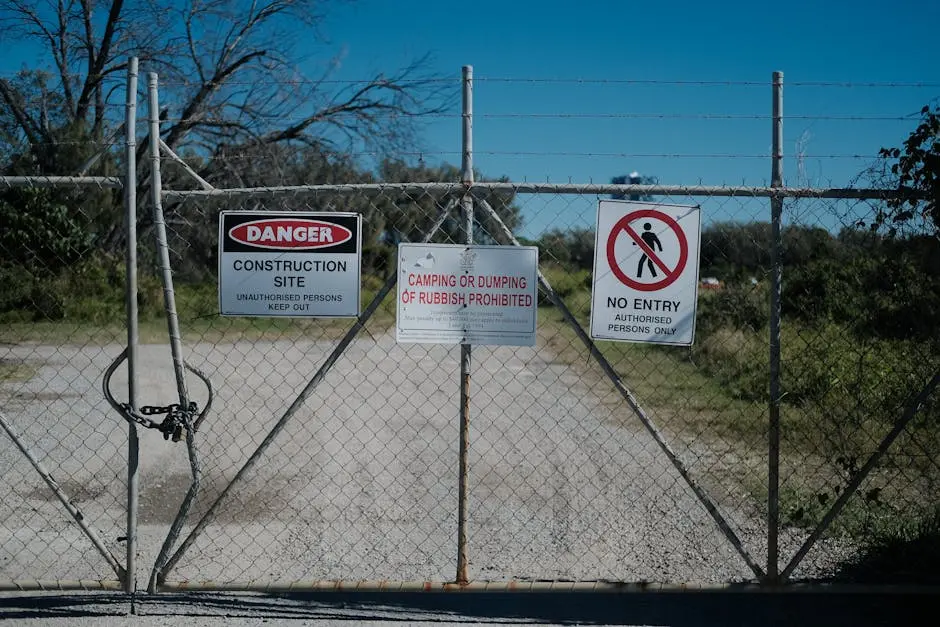
1. Implement Access Control Systems
Access control systems are essential in managing who enters and exits your construction site. By only allowing authorized personnel, you can significantly reduce the risk of theft and vandalism. Consider integrating smart systems that use key cards or biometric scanners for even tighter security. Such systems not only record entry and exit times but also integrate seamlessly with other security measures to provide a holistic protective environment. When layered with other security measures, access control systems serve as the first line of defense against unauthorized access.
Furthermore, integrating these systems with real-time alerts can be beneficial. If an unauthorized attempt is made, security managers can be notified instantly, allowing a swift response. These proactive measures, aligned with consistent monitoring, ensure that potential threats are addressed before they escalate. Developing a specific protocol for granting temporary access to contractors or visitors can help maintain the security integrity of the site.
2. Utilize Surveillance Cameras
Installing surveillance cameras around key areas of the site ensures that you have eyes everywhere. This not only deters criminal behavior but also helps in analyzing incidents if they occur. Cameras with high-resolution capabilities and night vision features should be prioritized to maintain clarity of footage under different conditions. Opt for cameras that allow for remote access so security personnel can monitor activities even when offsite.
Strategically placing cameras at entrance points, material storage locations, and high-traffic zones greatly increases visibility. Regularly updating camera software ensures that the system runs smoothly, while conducting routine checks guarantees that all equipment is operational. Reviewing footage can also help identify patterns of behavior, further informing security protocols.
3. Hire Trained Security Personnel
Employing trained security guards can greatly enhance the security of your site. Their presence alone can deter crime, and their expertise is invaluable during emergencies. Guards can perform various roles, from inspecting the contents of delivery vehicles to monitoring sensitive areas. They serve as the human element of security that technology alone cannot replace.
For comprehensive protection, hire personnel trained in emergency response and conflict resolution. Additionally, establishing a communication channel between the security team and project managers enables swift decision-making. Consider partnering with a reliable security company to ensure that the personnel you hire are skilled and experienced.
4. Conduct Regular Security Audits
Regular security audits help identify potential vulnerabilities within your current security measures. Addressing these gaps promptly is crucial to maintaining a secure environment. These audits should cover not only physical security but also procedural practices. Analyze incident reports to inform areas of improvement and set clear audit timelines to facilitate regular reviews.
5. Adopt Mobile Patrols
Mobile patrols provide flexibility in monitoring larger sites. These guards can cover more ground, offering a dynamic approach to site security. Mobile units operate around the clock, providing a visible deterrent to potential intruders. By varying patrol routes and schedules, you can prevent any predictable patterns that may be exploited by malefactors.
6. Use Temporary Fencing
Temporary fencing is an effective physical barrier that protects the perimeter of your site. Coupled with alarms, it can provide an extra layer of defense against unwanted intrusions. Opt for materials that are difficult to climb or cut through, and ensure gates are sturdy and padlocked during off-hours. Fencing not only demarcates the boundary but also channels entry through controlled access points.
7. Leverage Technology for Monitoring
Incorporating advanced technology such as drones for aerial surveillance and real-time monitoring can significantly boost your site’s security capabilities. Drones provide an aerial perspective, making it easier to oversee large expanses and hard-to-reach areas. Pairing this with AI-driven analytics offers insights into unusual patterns, aiding in rapid threat assessment.
8. Establish a Visitor Management System
Implementing a visitor management system ensures that every visitor is documented and accounted for. This streamlines site access and enhances security. Use digital systems to maintain logs of visitors, capturing essential details such as time of entry, exit, and purpose of visit. Such systems not only improve logistics but also support contact tracing efforts, enhancing site safety even more.
9. Install Proper Lighting
Adequate lighting deters criminal activity by eliminating dark spots where intruders can hide. Well-lit areas make it harder for wrongdoers to go unnoticed. Focus on illuminating access points and high-value areas, installing motion sensor lights to save energy. Proper lighting is not only about security but also enhances worker safety during night operations.
10. Integrate Incident Reporting Systems
An incident reporting system facilitates quick response to security breaches, allowing issues to be addressed immediately and preventing further complications. Implement digital platforms that streamline reporting processes, integrating them with a central database for easier tracking and analysis. Encouraging timely and accurate reporting ensures that minor issues aren’t overlooked and can be resolved promptly.