
Which Technologies Are Essential for Modern Building Security?
In today’s fast-paced world, securing buildings is more important than ever. Modern building security involves multiple layers of technology working together to ensure safety and peace of mind. This FAQ will guide you through the essential technologies you need to consider for robust building security.
Understanding Access Control Systems
Access control systems are the cornerstone of modern building security. They regulate who enters or exits a building, ensuring only authorized individuals have access. By integrating electronic credentials, you can manage permissions efficiently, reducing the risk of unauthorized entry. This not only secures the premises but also streamlines the entry process for employees.
What makes access control systems indispensable is their versatility. They can be customized to fit any building’s specific needs, whether it’s a small office or a large industrial complex. Systems range from simple keypad entries to sophisticated biometric systems. Additionally, integrating mobile credentials is growing in popularity, offering convenience and increased security.
The flexibility of access control systems extends to their ability to integrate with other security technologies, creating a more comprehensive security solution. For instance, pairing access control with video surveillance can provide real-time data and visual confirmations, enhancing the overall security posture.
The Importance of Surveillance Cameras
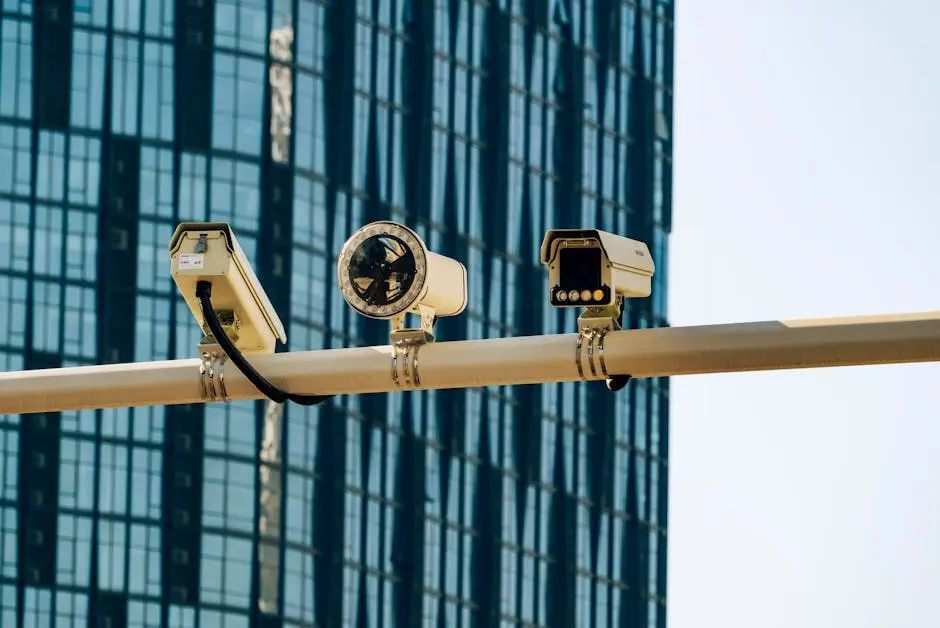
Surveillance cameras are not just about capturing footage; they are a vital deterrent to crime. When strategically placed, they cover vulnerable areas, capturing crucial evidence in case of an incident. This proactive measure delivers peace of mind that activities are being monitored, allowing for quick response in the event of suspicious behavior.
Advanced camera technologies, such as AI-driven video analytics, enhance monitoring capabilities by providing real-time alerts for unusual activities. This allows security personnel to make timely decisions based on data rather than chance observations.
Incorporating cameras with built-in motion detectors and night vision extends their functionality, ensuring they capture activities day and night. Moreover, the presence of visible cameras alone is often enough to deter criminal activities, making them a cost-effective component of any security setup.
Role of Alarm Systems
Alarms act as the first line of defense when a security breach occurs, promptly alerting both homeowners and authorities. Their primary function is to detect intrusions and notify the appropriate individuals, allowing swift action to prevent further escalation.
The technology behind alarm systems is continuously evolving. From simple point sensors alerting you to open windows, to comprehensive systems connected to smart devices, allowing for remote monitoring of alerts, they’re becoming more intuitive and reliable. Systems like these can virtually eliminate false alarms by leveraging AI to differentiate between real threats and benign activity.
Integrating Cybersecurity Measures
As buildings become smarter, integrating reliable cybersecurity strategies is crucial to protect against digital threats. With security infrastructure connected to networks, ensuring these connections are secure is paramount. This involves routine software updates, robust firewall protection, and employee education on cyber threats.
Cybersecurity for building management systems can often be overlooked. Protecting this infrastructure requires a comprehensive security policy that accounts for both physical and digital vulnerabilities. Establishing guidelines, like regular audit checks on systems, ensures the integrity and security of the entire network.
Adopting Advanced Biometric Security
Biometric technology offers unmatched security by using unique biological characteristics for identification. Implementing systems like fingerprint scans or facial recognition ensures a high level of security, as these biological identifiers are difficult to replicate or forge.
Apart from enhancing security, biometric systems improve user convenience. By eliminating the need for keys or access cards—which are prone to being lost or stolen—these systems offer a seamless entry experience. Advances in biometric innovations are making these systems more accessible and widespread across various sectors.
Final Thoughts on Building Security Technologies
Incorporating modern security technologies into your building is a proactive step towards ensuring safety and protection. Whether it’s through advanced access control systems, AI-driven surveillance, or robust cybersecurity measures, each element plays a vital role in your security strategy. Keep abreast of technological advancements to maintain a secure environment, and feel free to reach out to our experts for more personalized advice. Visit IAS Guards to learn more about how we can assist in safeguarding your premises.