
Industrial Security Best Practices for High-Risk Environments
In today’s world, the stakes are high when it comes to industrial security. High-risk environments demand an extra level of vigilance and expertise to safeguard assets and ensure safety. Whether you’re managing a factory, a chemical plant, or a data center, understanding the best practices for industrial security is crucial. This blog will guide you through essential strategies to enhance protection and resilience in your high-risk environment.
Understanding the Unique Challenges of High-Risk Environments
High-risk environments are characterized by their unique vulnerabilities and potential for catastrophic events. Recognizing these challenges is the first step in formulating effective security strategies.
Each industrial setting has its own set of challenges, often based on its location, the materials handled, and the potential threats it faces. For instance, chemical plants must focus on preventing hazardous spills, while data centers prioritize safeguarding sensitive information. These diverse challenges require a tailored approach, understanding that what works for one environment may not necessarily work for another.
Conducting Thorough Risk Assessments
Risk assessments are essential for identifying potential threats and vulnerabilities within industrial facilities. Learn how to conduct comprehensive assessments to prioritize security measures effectively.
An effective risk assessment should begin with a clear understanding of the operational processes and identifying critical assets. Mapping out these elements can help pinpoint weak spots and potential entry points for risks. It’s crucial to engage with stakeholders at every level, ensuring that insights gathered from those on the ground are considered in mitigating potential threats.
Tools such as SVA (Security Vulnerability Assessments) can aid organizations in assessing current security measures and identifying improvements. By using structured methodologies, companies can anticipate threats and prioritize risks based on severity.
Implementing Robust Physical Security Measures
From perimeter defenses to access control systems, robust physical security measures are the backbone of any industrial security plan. Explore key strategies to protect your facility from unauthorized access.
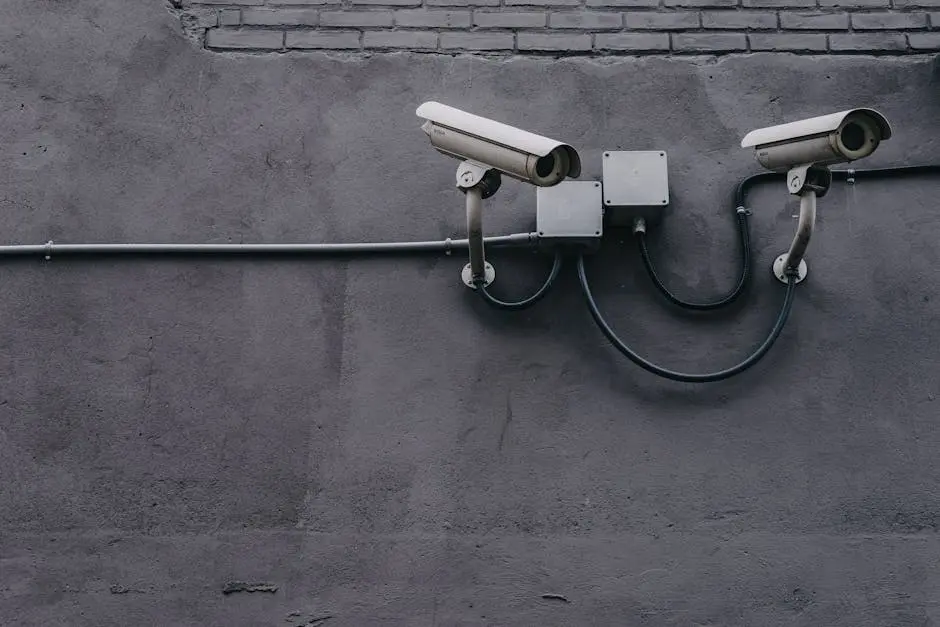
Physical security begins with the basics, such as sturdy fencing and reliable access control systems. More advanced measures may include biometric access points and well-placed surveillance cameras to monitor high-traffic areas. Effective layer zoning ensures that only authorized personnel have access to sensitive zones, reducing the risk of unauthorized entry.
Aside from technological installations, don’t overlook the human element. Assigning trained personnel, equipped with real-time communication tools, can enhance your facility’s responsiveness to potential breaches or incidents.
Enhancing Cybersecurity in Industrial Control Systems
With the rise of digital threats, fortifying your industrial control systems against cyberattacks is more important than ever. Discover best practices for safeguarding your digital infrastructure.
Cyber threats continue to evolve, necessitating that industries remain a step ahead. Industrial control systems (ICS) are often targeted by cybercriminals as they control vital physical processes. Implementing strong cybersecurity protocols involves a multilayered approach—employing firewalls, intrusion detection systems, and rigorous access controls are just the beginning.
Boosting your organization’s cybersecurity also involves regular system updates and patches. This proactive maintenance reduces vulnerabilities that hackers might exploit. Investing in employee training on recognizing phishing attempts and suspicious network activity can also deter breaches.
Training and Awareness: Empowering Your Workforce
A well-informed workforce is one of the strongest defenses in industrial security. Learn how to implement effective training programs and foster a culture of security awareness among your employees.
Educating employees on the importance of security practices not only enhances safety but also increases overall worker investment in the organization. Conducting regular training sessions where employees actively participate in security drills ensures they know the procedures to follow in the event of an incident.
Implementing a culture of security awareness means instigating an environment where employees feel empowered to report potential security concerns without fear of reprimand. Encouraging this level of involvement transforms security into a collective responsibility rather than a burden on security professionals alone.
Regular Audits and Continuous Improvement
Security is an ongoing process that requires regular evaluation and refinement. Discover the importance of conducting audits and how continuous improvement can help adapt to evolving threats.
To be effective, security measures must be regularly tested and updated. This involves periodic audits which test current systems and processes against the most recent threats. Unannounced internal audits can provide a real-world appraisal of security readiness, identifying areas needing improvement.
Continuous improvement should involve embracing new technologies and updated methodologies for defense. Investing in the latest security systems and integrating artificial intelligence-driven analytics can provide predictive insights that enhance decision-making and preparedness against unforeseen threats.
Securing High-Risk Environments: A Continuous Commitment
Adopting best practices in industrial security is not only a wise decision but an essential one. By understanding potential risks, implementing comprehensive measures, and fostering a culture of security awareness, you can significantly enhance the safety and resilience of your operations. Remember, security is not a one-time effort but an ongoing commitment to vigilance and improvement. To learn more about how to protect your own industrial environment, visit our homepage.