
How Do Traffic Control Measures Improve Safety at Public Events in Urban Los Angeles?
In bustling urban areas like Los Angeles, ensuring the safety of residents and visitors during public events is paramount. Traffic control measures play a crucial role in maintaining order and preventing accidents. Let’s explore how these measures improve safety at events in the city.
Understanding the Importance of Traffic Control at Public Events
Traffic control is essential to prevent chaos and ensure safety at public gatherings. It involves managing vehicular and pedestrian flow to minimize accidents and congestion.
Imagine attending a large concert in Los Angeles without any traffic control measures in place. The absence of organized flow would lead to confusion, accidents, and potentially dangerous situations. With effective traffic control, roads are clear, pedestrian zones are safeguarded, and emergency services have unobstructed access, all of which are crucial for the safety of attendees.
Furthermore, traffic control provides a structured environment that allows for smooth event operations. Whether it’s a street festival or a major sports event, planned traffic measures prevent bottlenecks and ensure that event-goers can enjoy their time without unnecessary disruptions.
Key Traffic Control Measures Implemented in Urban Los Angeles
In Los Angeles, key measures include traffic signal management, road closures, and designated detours to streamline movement and prioritize pedestrian safety.
Temporary roadblocks are strategically placed to guide vehicles away from denser areas, and designated pedestrian pathways ensure safety for those on foot. Officials work closely with local authorities to map out routes that prevent traffic snarls and enhance the safety of public events.
Another critical measure is implementing real-time updates through digital signage. This keeps the public informed about traffic conditions, detours, and any necessary changes, improving the flow of traffic and enhancing overall event safety in a dynamic urban environment.
The Role of Technology in Modern Traffic Control
Advanced technologies like GPS systems and traffic monitoring cameras help efficiently manage road traffic, providing real-time data to adjust control measures instantly.
Los Angeles leverages software applications that track live traffic data, enabling planners to quickly adjust traffic flow as conditions change. These technologies facilitate better coordination between traffic control personnel and local authorities, ensuring a more efficient management system.
Emerging technologies like artificial intelligence are also making waves in traffic management. AI algorithms can predict traffic patterns during events and allow instant adaptation to unexpected changes, significantly elevating the precision and reliability of urban traffic control systems.
Collaboration with Local Authorities and Event Planners
Effective traffic control requires the cooperation of local law enforcement and event organizers to ensure that all necessary safety precautions are taken.
Law enforcement agencies, municipal authorities, and event organizers collaborate to craft comprehensive traffic management plans. This collaborative approach ensures that every stakeholder is aligned and prepared to handle any scenario, from crowd management to emergency evacuations.
Joint training initiatives and regular simulations are conducted to keep all parties well-prepared for the successful execution of traffic control measures. Such collaborations significantly enhance readiness and skill in managing large-scale events.
Training and Deployment of Qualified Personnel
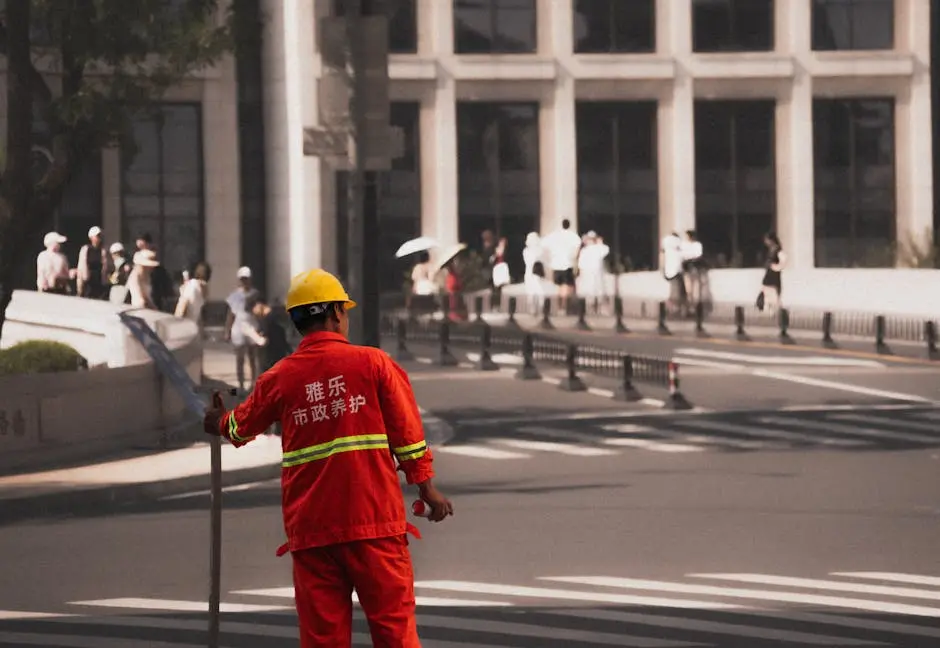
Trained personnel are crucial for implementing traffic control measures. They guide drivers and pedestrians, addressing any issues that arise during events.
Los Angeles has a strong focus on hiring and training skilled traffic control professionals. These individuals undergo rigorous training programs that cover everything from basic traffic management to crisis response, ensuring they’re well-prepared for any situation that might arise during an event.
Effective communication with the public is another critical responsibility of trained personnel. Through the use of clear signage, direct interaction, and multilingual capabilities, these professionals ensure that all attendees understand the traffic rules and safety protocols in place.
Ensuring Event Safety: The Importance of Traffic Control
In conclusion, traffic control measures are vital for safeguarding public events in urban Los Angeles. By strategically placing equipment, collaborating with local authorities, and involving skilled personnel, the city can effectively manage crowds and vehicles, ensuring a safe and enjoyable experience for everyone.