
15 Traffic Control Strategies for Smooth Construction Site Operations
Running a construction site is a complex task, especially when it comes to managing traffic control. From ensuring the safety of workers and pedestrians to minimizing disruptions, effective traffic control strategies are essential for smooth operations. Let’s explore some key strategies that can make a significant difference.
1. Assessing Traffic Flow Needs
Understanding the specific traffic demands of your site is the first step in creating an effective plan. Analyze peak traffic times, types of vehicles, and pedestrian flow to tailor your strategy. This involves not only counting vehicles but also assessing the types of vehicles and their impact on traffic flow. For instance, heavy machinery has different requirements than regular cars, and knowing their schedule can prevent bottlenecks. It’s also important to consider pedestrian access, ensuring pathways are safe and intuitively designed to direct foot traffic efficiently through the area.
Effective traffic flow assessment can also benefit from historical traffic data, which reveals patterns that can be addressed proactively. Technological tools like drones or software applications can be employed for this, offering detailed insights that surpass traditional methods. The use of these technologies not only saves time but also enhances accuracy, creating a solid foundation for traffic management.
2. Implementing Clear Signage
Proper signage can prevent confusion and enhance safety. Use clear and visible signs to guide both pedestrians and drivers, ensuring they know what to expect as they navigate the construction zone. Signs should be strategically positioned at decision points and frequently updated to reflect any changes in the traffic plan. Material choice is equally critical; signs must withstand weather conditions to remain legible and effective over time.
Adopting international signage standards or incorporating color psychology into your design can further improve comprehension. For example, red is universally recognized as a color that signals ‘stop,’ ‘caution,’ or ‘danger.’ Employing these psychological cues in your signage can lead to faster and more reliable responses from drivers and pedestrians alike.
3. Using Traffic Control Devices
Devices like cones, barriers, and alarms play a crucial role in directing traffic flow and securing the site. Choosing the right type and combination of devices can make or break your traffic management plan. Cones are ideal for short-term disruptions, but for long-term changes, consider using barriers that offer more robust segregation of traffic from dangerous areas. With advancements in materials, modern barriers are designed to absorb impact, reducing the risk of vehicle damage and injury in case of accidents.
It’s also beneficial to leverage tech-enhanced devices, such as smart cones that have built-in sensors. These devices allow for real-time adjustment of traffic patterns based on live data, enhancing both safety and efficiency. Using these technologies ensures your site can adapt to traffic flow variations throughout the workday.
4. Creating Detour Plans
When construction impacts major routes, having a well-thought-out detour plan is essential. Ensure that detours are clearly marked and easy to follow, reducing frustration for drivers. It’s important to regularly assess the effectiveness of these routes and modify them based on traffic flow changes or feedback from users. Providing advance warning about upcoming detours through local news or social media can help mitigate public inconvenience.
Consideration should also be given to alternative routes for emergency vehicles, ensuring they can navigate the area without delays. Outlining clear paths for such crucial services prevents serious repercussions and indicates a well-prepared traffic control plan. Your detour strategy should be dynamic, with built-in measures to manage peak traffic times effectively.
5. Ensuring Worker Training
Training site workers on traffic control measures is vital for safety and efficiency. Equip them with the knowledge to handle different traffic scenarios effectively. Proper training curtails accidents and instills confidence in workers as they navigate complex traffic conditions. Additionally, regularly scheduled briefings and updates ensure all employees are in tune with ongoing traffic strategy changes.
Training programs should incorporate both theoretical knowledge and practical drills. Encouraging workers to share their on-ground experiences during training can provide insights crucial for enhancing traffic control measures. This participative approach can lead to innovative solutions tailored to the unique attributes of each site.
Don’t overlook the potential of e-learning platforms, which can provide comprehensive training on traffic control procedures. Online modules can be particularly beneficial in making training accessible to remote sites, allowing workers to develop and maintain essential skills efficiently.
6. Monitoring and Adjusting Strategies
Regularly evaluate the effectiveness of your traffic control measures. Be ready to make adjustments based on real-time observations and feedback to keep operations smooth. Setting up routine check-ins and deploying site supervisors to provide real-time insights can greatly enhance your ability to make timely adjustments.
Deploying technologies such as live traffic monitoring systems can assist in promptly identifying bottlenecks or other issues. Automated solutions can offer significant efficiencies, as they provide data-driven insights. Pairing these insights with human oversight ensures strategies are both practical and dynamic, adapting seamlessly to changes in traffic flow.
7. Coordinating with Local Authorities
Collaboration with local traffic authorities can provide additional support and ensure compliance with regulations. This coordination helps in better managing unexpected traffic issues. Establishing a communication protocol with authorities ensures quick resolution of any traffic-related emergencies or disputes.
Keeping local officials in the loop about your construction plans and traffic control measures increases transparency and builds trust, key elements in forming productive partnerships. These relationships can pave the way for smoother approvals and immediate assistance when road conditions or site requirements change unexpectedly.
8. Utilizing Traffic Control Personnel
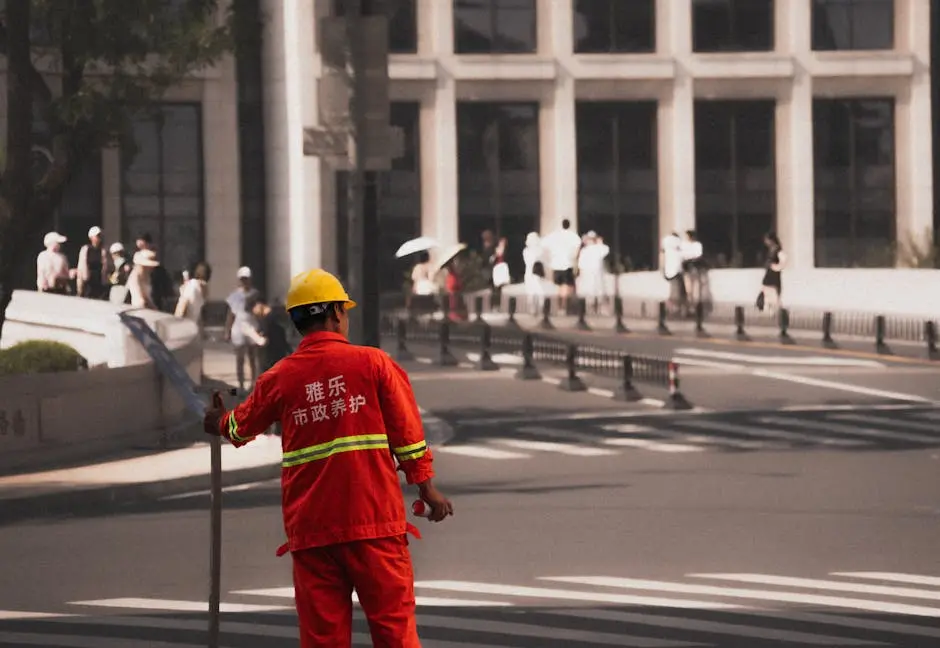
When automated signals are not sufficient, deploying traffic control personnel at key points can help manage vehicle and pedestrian flow more effectively. These personnel act as the first responders in dynamic scenarios, such as during emergencies or unexpected traffic surges.
The effectiveness of traffic control personnel increases when they are equipped with communication tools that relay real-time traffic updates. This ensures that decisions can be made swiftly and in accordance with the latest conditions, contributing to overall safety and efficiency on-site.
9. Implementing Technology Solutions
Modern technology, such as real-time traffic monitors and GPS systems, can enhance your traffic management efforts by providing actionable data and updates. These tools help construction managers dynamically adjust plans based on live traffic conditions, optimizing flow around the site.
Technologies like artificial intelligence and machine learning can foresee patterns and trigger automated responses to emerging traffic scenarios. This predictive capability is a game-changer for managing complex traffic situations with higher efficiency and safety outcomes.