
12 Building Security Solutions for Safer Construction Sites
In today’s fast-paced world, ensuring the security of construction sites is more important than ever. With valuable equipment and sensitive materials on-site, implementing the right security measures is crucial. This listicle is here to guide you through practical and effective solutions for enhancing building security at construction sites.
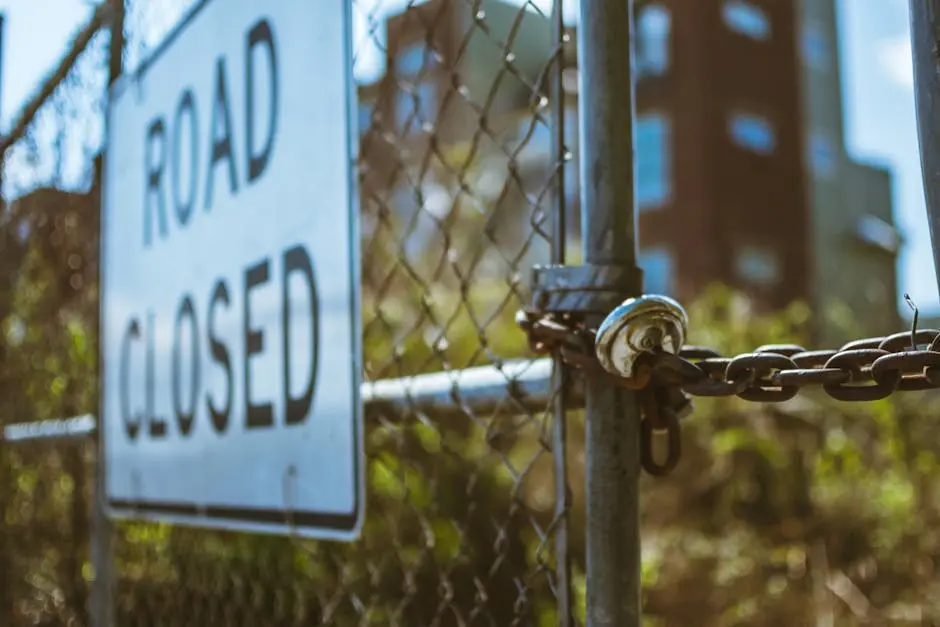
1. Fencing and Access Control
Installing sturdy fencing and implementing strict access control can be your first line of defense. This not only keeps unwanted visitors out but also helps monitor who comes in and out of the site. By integrating technologies such as RFID badges, you can automate entry and record access data for all workers and visitors. This proactive measure can help mitigate potential security threats by maintaining a detailed log of site access, ensuring that only authorized personnel have entry.
Consider the material and height of your fencing as well. High-quality materials like mesh or wire fencing can withstand attempts at breaching and serve as a visible deterrent. Additionally, using high fences with anti-climb features can make it even harder for unauthorized personnel to bypass without detection. When paired with visible signage, these physical barriers communicate a clear message: the site is protected and monitored.
2. Security Cameras and Surveillance
Deploying surveillance cameras can help deter potential criminals while providing valuable evidence during any security breaches. Strategic placement is key to covering critical areas effectively. Modern cameras with night vision and motion detection add another layer of security, enabling 24⁄7 monitoring. This technology enhancement can ensure that you never miss any suspicious movement, day or night.
Moreover, utilizing a system with remote access capabilities allows security personnel to monitor the site from anywhere in real-time. This flexibility means that any suspicious activity can be addressed immediately, preventing issues from escalating. Coupling surveillance with analytics can help decipher patterns or frequent anomalies at the site, proactively addressing potential risks.
3. Adequate Lighting
Good lighting can act as a deterrent by eliminating shadows and brightening potential hiding spots for intruders. Ensuring your construction site is well-lit can prevent unauthorized activities during off-hours. Focus on maintaining high visibility at key points such as entrances, perimeters, and around heavy machinery. Consider energy-efficient LED lights equipped with motion sensors for cost-effective, environmentally friendly, and responsive illumination.
To enhance the effectiveness of your lighting, conduct regular checks to ensure all fixtures are operational and adjust lighting angles to remove any dark zones. Integrating lighting controls that allow remote adjustments can help you respond to different site conditions and incidents, providing a dynamic security layer.
4. Alarm Systems
Integrating alarm systems with your security setup can provide an immediate alert to any unauthorized access, allowing swift action to be taken before situations escalate. When selecting an alarm system, consider options that offer scalability and compatibility with other security measures, such as cameras or access control.
Monitoring services which couple with alarm systems can provide around-the-clock protection. Upon triggering, alerts can be directly sent to security personnel or offsite monitoring stations, ensuring that someone is always ready to respond. This proactive approach is essential for minimizing reaction time and maximizing security effectiveness any time of day.
5. On-site Security Personnel
Having trained security personnel on-site can provide an extra layer of human supervision, offering quick responses to any suspicious activities. Their presence not only reassures workers of their safety but also acts as a deterrent to potential intruders who see that the site is actively monitored and protected.
Security personnel can also be integrated into emergency protocols, ensuring that they effectively coordinate during potential evacuations or incidents. Their training often includes handling, assessing, and accurately reporting anomalies or breaches, which can be critical in maintaining an immediate and informed response.
6. Digital Security Solutions
With advancements in technology, digital solutions such as biometric access and remote monitoring can add significant value to your security protocols. These systems provide an added layer of security through advanced verification. Fingerprint or facial recognition access can prevent unauthorized site entry by ensuring that only authenticated individuals gain access.
Combining these technologies with data analytics can further enhance security systems by analyzing entry patterns and detecting anomalies. Moreover, leveraging IoT devices allows for real-time monitoring and data collection, enabling you to adapt and enforce security measures based on insightful analytics.
7. Securing Equipment with GPS Tracking
By equipping valuable machinery with GPS trackers, you can easily locate and recover assets if they go missing, thus reducing potential losses. This technology helps keep tabs on equipment both during working hours and when left unattended on-site, providing peace of mind.
Additionally, these trackers can offer insights into equipment usage, allowing for optimal asset management. By tracking metrics such as operational hours and maintenance schedules, you ensure that assets remain both secure and functional, reducing downtime and upkeep costs in the process.
8. Regular Security Audits
Conducting regular security audits of your site ensures vulnerabilities are identified and addressed promptly. Keeping your security measures up-to-date is crucial for effective risk management. These audits provide insights into the strengths and weaknesses of your current security setup, allowing continuous improvement.
During audits, both physical and digital security layers are assessed, ensuring comprehensive coverage. Any gaps identified can then be prioritized for reinforcement, helping you develop a more robust security framework tailored to evolving site conditions.
9. Secure Storage for Materials
Storing materials securely reduces the risk of theft and damage. Lock-boxes or secure storage containers can help protect these valuable site assets. Consider installing these containers in well-lit and monitored areas to ensure a deterrent against unauthorized entry.
Periodic checks on inventory also ensure that discrepancies are noticed early on. By implementing a robust inventory management system, you can track materials’ movement and ensure their availability for project needs while reducing the risks of theft or misplacement.
10. Signage and Awareness Campaigns
Informative signage helps in deterring unwanted access by clearly indicating security measures in place. Awareness campaigns can also remind workers to adhere to security protocols. The visual impact of signs helps reinforce both not just to potential intruders but to onsite personnel the importance of following security norms.
11. Emergency Protocols and Training
Having clear emergency protocols and training programs ensures everyone knows how to respond in the event of a security breach or accident, minimizing potential harm. Regular drills facilitate familiarity and confidence, ensuring quick and organized site evacuations if needed.
Including security personnel in these drills ensures cohesive teamwork and readiness. They can also play a critical role in engaging workers during training sessions, providing firsthand experience in applying real-world safety and response strategies.
12. Fire Safety Measures
Implementing fire safety protocols, such as extinguishers and evacuation plans, is essential to protect against accidental fires or arson. Regular drills ensure readiness and safety awareness. These measures are essential especially in environments that involve work with flammable materials.
Moreover, integrating fire detection systems such as smoke or heat detectors can provide early warnings, allowing for timely interventions. Keeping fire safety equipment routinely checked and readily accessible ensures that preventative actions are always possible during emergencies.